
When people ask me what surprises them most about Tulsa, the arts and culture scene is always near the top of my list. There is a perception that a city of our size in the middle of the country might not offer the kind of cultural depth you find on the coasts, but Tulsa consistently defies that expectation. We have world-class museums, a thriving arts district, nationally recognized performing arts organizations, and a creative energy that is impossible to ignore. Whether you are a lifelong art lover or just beginning to explore, the Tulsa Metro offers a cultural experience that rivals cities many times our size.
For families considering a move to the area, or for current residents looking to dive deeper into what the city offers, here is my guide to the cultural institutions that make Tulsa a truly special place to live.
Philbrook Museum of Art
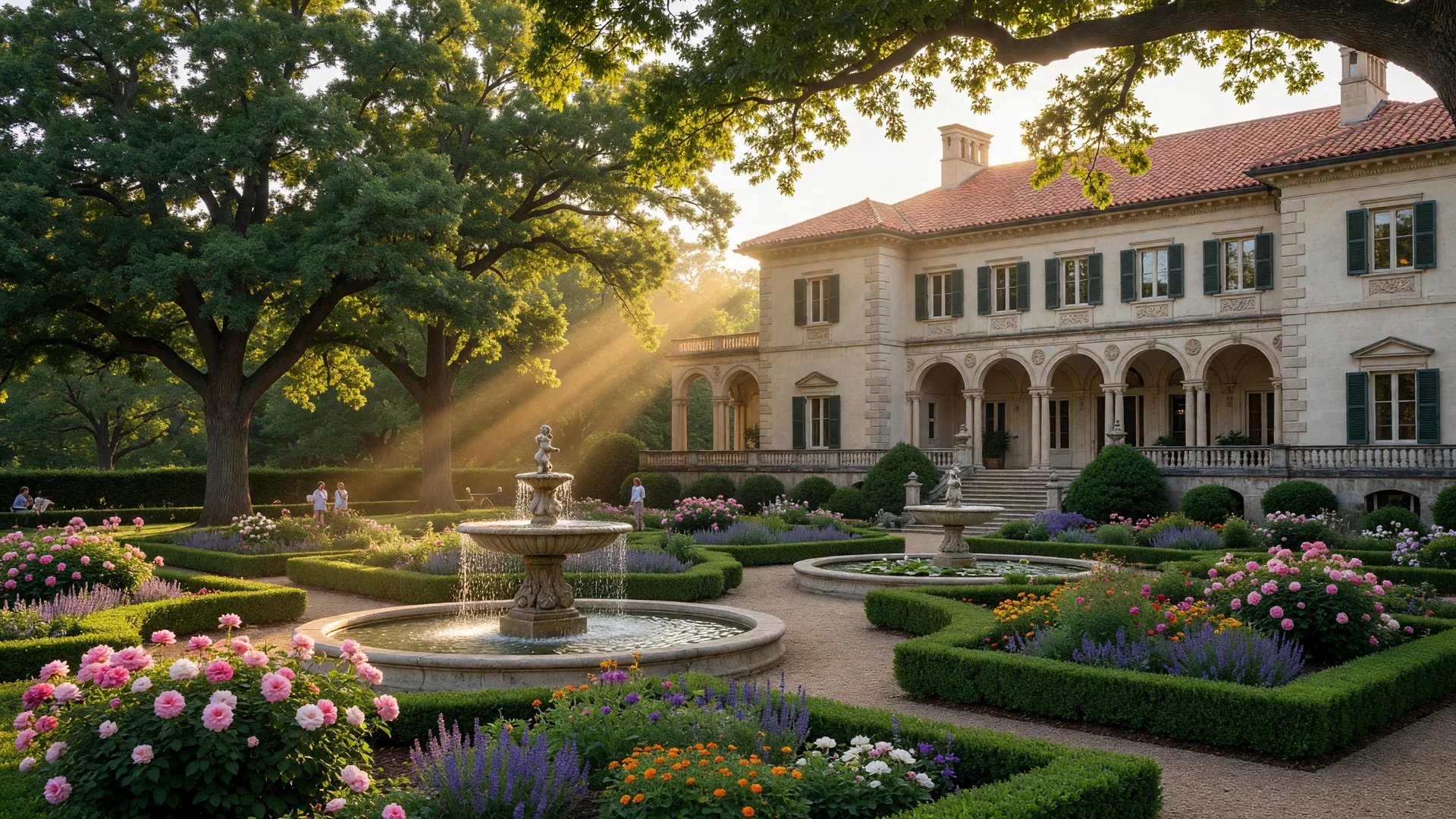
MuseumThe Philbrook Museum of Art is one of the most beautiful and culturally significant destinations in the entire state. Housed in a 72-room Italian Renaissance villa that was originally the home of oil magnate Waite Phillips, the museum sits on 25 acres of meticulously manicured gardens that are as much a draw as the art inside. The collection spans over 16,000 works across diverse cultures and time periods, from European masterpieces to contemporary American art, African and Native American works, and Asian ceramics.
What sets Philbrook apart is the experience itself. Walking through the villa's grand rooms, with natural light streaming through arched windows onto centuries-old paintings, feels more like visiting a European estate than a museum in the middle of Oklahoma. The gardens are a destination in their own right, with formal Italian terraces, a sculpture garden, a cutting garden, and a children's garden that makes it a wonderful family outing. Philbrook also hosts major exhibitions throughout the year, outdoor concerts, and the annual Festival of Art that draws visitors from across the region. For anyone moving to Tulsa, a membership here is one of the first things I recommend.
Gilcrease Museum
MuseumGilcrease Museum holds one of the most comprehensive collections of American West art, American Indian artifacts, and historical documents in the world. Founded by Thomas Gilcrease, a citizen of the Muscogee (Creek) Nation who made his fortune in oil, the museum offers a perspective on American history that you simply cannot find anywhere else. The collection includes works by Frederic Remington, Charles M. Russell, and Thomas Moran, alongside thousands of Native American objects spanning centuries of artistry and culture.
The museum grounds sit on 460 acres of Osage Hills overlooking Tulsa, with walking trails that offer stunning views of the city and the surrounding landscape. The combination of world-class art, Indigenous history, and natural beauty makes Gilcrease a truly unique institution. It is currently undergoing a major expansion and renovation, which tells you how committed Tulsa is to investing in its cultural assets. If you are interested in the history of the American West and the stories of the people who shaped this region, Gilcrease is unmissable.
Bob Dylan Center
MuseumThe Bob Dylan Center opened in the Tulsa Arts District in 2022 and immediately established Tulsa as a destination for music history. The 29,000-square-foot museum houses the largest collection of Bob Dylan artifacts and archival materials in the world, including handwritten lyrics, unreleased recordings, photographs, films, and personal correspondence. It is a deep, immersive experience that traces Dylan's creative journey from his earliest days in Minnesota through his Nobel Prize in Literature and beyond.
The fact that this world-class archive and museum chose Tulsa over every other city in the country says something meaningful about the city's cultural ambitions. The Bob Dylan Center sits alongside the Woody Guthrie Center, creating a one-two punch of musical and cultural history that is genuinely unparalleled. For music lovers, this alone is a reason to visit Tulsa frequently. And it places the Arts District at the center of a national conversation about cultural preservation and curation.
Woody Guthrie Center
MuseumLocated just steps from the Bob Dylan Center, the Woody Guthrie Center is a vibrant tribute to the folk music legend who wrote "This Land Is Your Land" and whose influence echoes through American music to this day. The center houses Guthrie's personal archives, including handwritten lyrics, original artwork, correspondence, and instruments, and it tells the story of his life, his activism, and his enduring legacy.
Together, the Woody Guthrie Center and Bob Dylan Center form an anchor for the Tulsa Arts District that draws visitors from around the world. It is a remarkable thing for a city of Tulsa's size to have two institutions of this caliber within walking distance of each other. If you are relocating to Tulsa and love music, history, or storytelling, this is a pair of stops you will return to again and again.
Tulsa Arts District & First Friday Art Crawl
Arts DistrictThe Tulsa Arts District is the creative heart of the city, stretching from the Brady Arts District through the Blue Dome District and into the Greenwood area. This is where Tulsa's cultural energy is most concentrated, with galleries, studios, performance venues, restaurants, and music clubs lining the streets. The district is home to Living Arts of Tulsa, Oklahoma's longest-running contemporary art organization, 108 Contemporary, the Tulsa Artist Coalition Gallery, and the Henry Zarrow Center for Art and Education.
The crown jewel of the Arts District experience is the First Friday Art Crawl, a monthly event on the first Friday of every month where galleries open their doors, streets fill with live music and food vendors, and the entire neighborhood becomes a walking celebration of art and community. It is one of the best ways to experience Tulsa's creative spirit, and it draws a diverse crowd of locals and visitors alike. For anyone considering a move to Tulsa, spending a First Friday evening downtown is a powerful taste of what makes this city special.
Tulsa Performing Arts Center
Performing ArtsThe Tulsa Performing Arts Center, or Tulsa PAC, is the city's premier venue for live theater, dance, and orchestral performances. With four theaters including the 2,365-seat Chapman Music Hall, the PAC is home to the Tulsa Ballet, Tulsa Opera, and the Tulsa Symphony Orchestra. Each of these organizations is a professional, nationally respected company that brings world-class performances to the city throughout the year.
The Tulsa Ballet, in particular, has earned a national reputation for its innovative programming and technical excellence. The Tulsa Opera produces a full season of mainstage productions, and the Tulsa Symphony Orchestra performs a diverse repertoire from classical masterworks to pops concerts. The PAC also hosts Broadway touring shows, children's theater, and community events. Having this level of performing arts in a city of Tulsa's size is a major advantage for residents who value cultural enrichment.
Cain's Ballroom
Music VenueNo guide to Tulsa's culture would be complete without mentioning Cain's Ballroom. This historic music venue in the Arts District has been a staple of Tulsa's music scene since it opened as a dance hall in 1924. It is famously known as the home of Bob Wills and the Texas Playboys, and the venue's worn wooden dance floor has been trod by legends from Elvis Presley and The Rolling Stones to modern acts that keep the calendar full year-round.
Cain's is more than a music venue, it is a living piece of Tulsa history. The atmosphere is intimate and electric, the acoustics are outstanding, and the history embedded in the walls is palpable. For music lovers, catching a show at Cain's is a rite of passage. And having a venue with this kind of history and reputation in your city is one of those cultural assets that makes Tulsa feel like a much bigger city than it is.
Tulsa Theater & The Brady Theater
Performing ArtsThe Tulsa Theater, formerly the Brady Theater, is another historic venue that anchors the city's performing arts scene. Built in 1914, this beautifully restored theater hosts Broadway touring productions, concerts, comedy shows, and family entertainment. Its ornate interior and excellent acoustics make it a favorite for both performers and audiences.
Together with Cain's Ballroom and the Tulsa PAC, the Tulsa Theater gives the city a trio of performance venues that can accommodate everything from intimate solo shows to full-scale Broadway productions. It is a testament to Tulsa's long-standing commitment to the arts and a major quality-of-life asset for residents.
World-Class Culture, Without the Premium Price Tag
What I find most compelling about Tulsa's arts and culture scene is not just the quality of the institutions, it is the access. In larger cities, memberships to premier museums, season tickets to the ballet or opera, and regular attendance at gallery events can carry a significant cost. Here, these experiences are remarkably accessible. The Philbrook and Gilcrease are affordable and welcoming, the Arts District is walkable and free to explore, and the performing arts organizations offer world-class productions at a fraction of the price you would pay in a major metropolitan market.
That is one of the defining advantages of living in the Tulsa Metro. You get the cultural amenities of a much larger city, the museums, the galleries, the live performances, the festivals, but you also get the space, the affordability, and the community feel that make daily life more comfortable. It is a balance that is increasingly rare in the United States, and it is one of the main reasons out-of-state buyers are choosing Tulsa.
If you are thinking about relocating to the Tulsa area, I encourage you to spend an afternoon in the Arts District, walk the gardens at Philbrook, or catch a show at Cain's Ballroom. It is the best way to understand what makes this city special. And when you are ready to find a home near the cultural experiences that matter most to you, I would be honored to help you find it.
FAQs
What is the best art museum in Tulsa?
Philbrook Museum of Art is widely considered the premier art museum in Tulsa, housed in a stunning Italian Renaissance villa with extensive gardens. Gilcrease Museum is also world-class, specializing in American West art and Indigenous artifacts.
Is the Tulsa Arts District worth visiting?
Absolutely. The Tulsa Arts District is the cultural heart of the city, home to the Bob Dylan Center, Woody Guthrie Center, numerous galleries, and the monthly First Friday Art Crawl. It is one of the most vibrant and walkable areas in downtown Tulsa.
Does Tulsa have a good performing arts scene?
Yes. The Tulsa Performing Arts Center hosts the Tulsa Ballet, Tulsa Opera, and Tulsa Symphony Orchestra, all professional companies. The city also has historic venues like Cain's Ballroom and the Tulsa Theater that draw national touring acts.
What is the First Friday Art Crawl in Tulsa?
The First Friday Art Crawl is a monthly event on the first Friday of each month in the Tulsa Arts District, where galleries open their doors, streets fill with live music and food vendors, and the neighborhood becomes a walking celebration of art and community.
Why did the Bob Dylan Center choose Tulsa?
The Bob Dylan Center chose Tulsa because of the city's strong commitment to cultural preservation, its existing archives at the Woody Guthrie Center, and the vision of the Tulsa Arts District as a destination for music and cultural history.
Looking for a home near Tulsa's best museums, galleries, and cultural venues? I can help you find the perfect neighborhood. Reach out anytime to start the conversation.
Written by Jessica Ford, Realtor® | Chinowth and Cohen Realtors