Tulsa Metro Relocation Specialist

Jessica Ford, Your Tulsa Relocation Expert

Let a Local Expert Guide Your Move

Get Your Free Relocation Guide

Relocating in Tulsa

Entering Tulsa.

Personalized Neighborhood Guidance

Get expert recommendations based on your lifestyle, commute, and budget.

Home Search Assistance

Find the perfect home with our tailored search tools and market expertise.

Virtual Tours & Remote Buying Support

Can't visit in person? We'll guide you through virtual tours and remote purchases.

Local Resource Connections

From movers to utility providers, we'll connect you with trusted local services.

Community Integration Support

Get insights on schools, amenities, and lifestyle to help you settle in quickly.

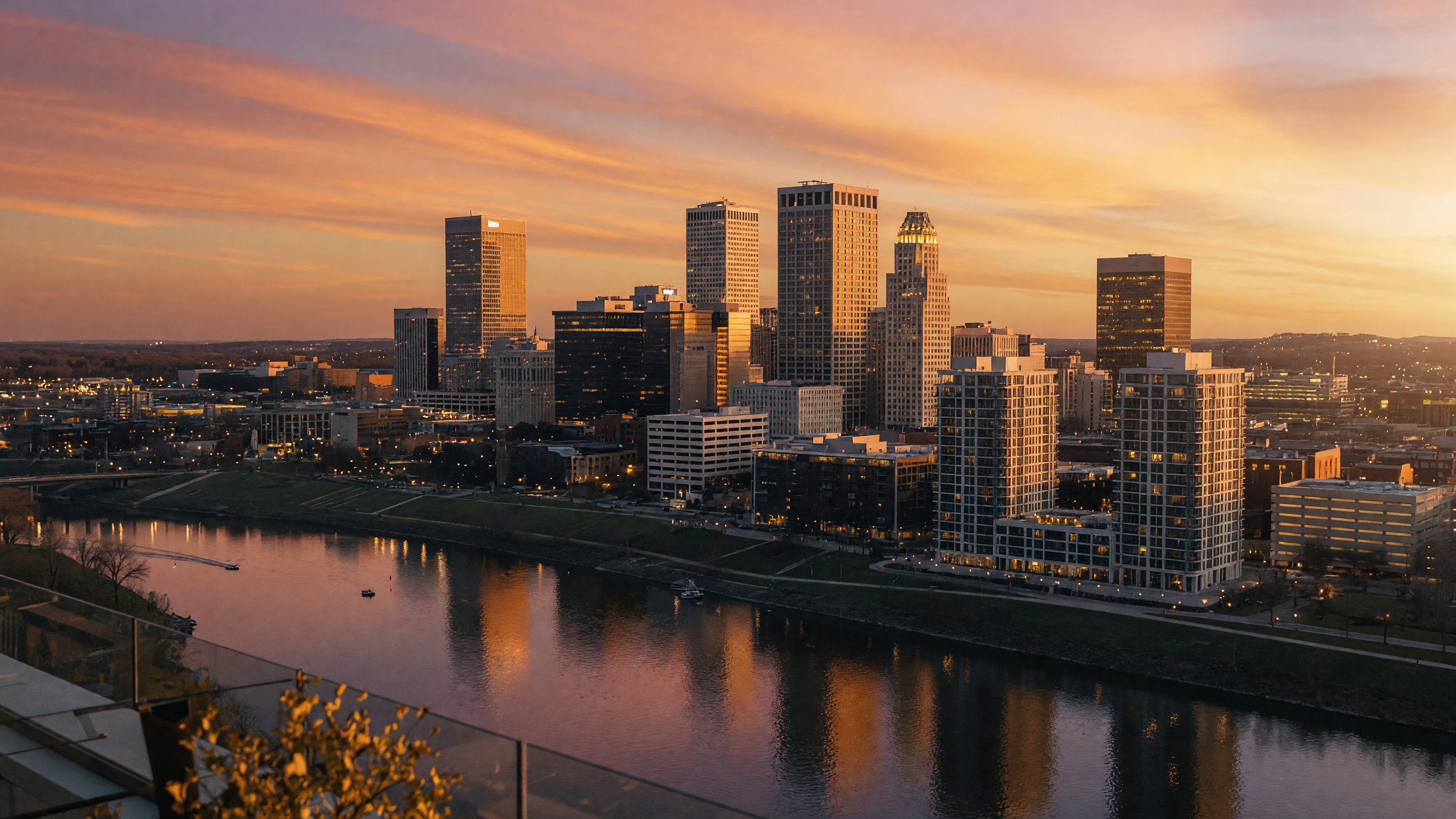
Tulsa Oklahoma cityscape skyline at golden hour
Oklahoma sunset landscape with open highway

Relocating Out of Tulsa

Leaving Tulsa.

Strategic Home Selling

Get top dollar for your home with expert pricing, staging, and marketing strategies.

Relocation Planning Assistance

We'll help coordinate logistics for a smooth departure.

Referral Network for Your Next Destination

Need an agent in your new city? We've got connections nationwide.

Flexible Selling Options

Whether you need a quick sale or a long-term strategy, we customize the process to fit your needs.

Closing & Moving Support

We'll guide you through the entire process to ensure a stress-free transition.

What I Offer

Relocation Services Built Around You

Moving to a new city should feel exciting, not overwhelming. Here's how I make your Tulsa relocation smooth from start to finish.

Virtual Tours & Remote Buying

Can't visit in person? I'll walk you through neighborhoods and homes via live video, detailed photo tours, and 3D walkthroughs so you can make confident decisions from anywhere.

Neighborhood Matching

I match your lifestyle, commute needs, family size, hobbies, and budget, with the perfect Tulsa Metro community. From urban Midtown to suburban Bixby, I know every corner.

School District Guidance

Top-rated districts like Broken Arrow, Jenks, and Owasso each have unique strengths. I'll help you navigate school boundaries, ratings, and feeder patterns to find the right fit for your kids.

New Construction Expertise

Tulsa's new construction market is booming. I work with the area's top builders and can guide you through custom builds, spec homes, and master-planned communities.

Corporate Relocation Support

Moving for work? I partner with corporate HR teams and relocation companies to streamline your transition, from temporary housing to final closing.

Acreage & Estate Properties

Looking for space? I specialize in acreage properties and luxury estates throughout the Tulsa Metro, properties that offer privacy, land, and room to breathe.

Virtual Tours & Remote Buying

See a Home Without Leaving Yours.

Can't make it to Tulsa in person? No problem. I offer detailed video walkthroughs and virtual tour experiences so out-of-state buyers can explore every property, neighborhood, and detail, all from the comfort of home.

01
Why Tulsa

A City That Has It All.

Tulsa consistently ranks among America's most livable and affordable cities, with a thriving culture, strong job market, and some of the best neighborhoods in the heartland.

Top-Rated Schools

Broken Arrow, Jenks, and Owasso school districts consistently rank among the best in Oklahoma, with strong academics, athletics, and fine arts programs.

Affordable Luxury

Enjoy stunning homes, from custom builds to gated estates, at a fraction of what you'd pay in coastal markets. Your dollar stretches further here.

Growing Job Market

Tulsa's economy is thriving across energy, healthcare, aerospace, and tech. Meta (Facebook) broke ground on a $1 billion AI-optimized data center in April 2026, and nearly $1 billion in metro development is underway across downtown buildings, a new amphitheater, and retail centers. The city has been recognized as a top destination for startups and remote workers alike.

Culture & Entertainment

From the Tulsa Arts District and Gathering Place to live music, award-winning dining, and minor-league sports, there's always something to do.

Quality of Life

Short commutes, friendly communities, four distinct seasons, and a cost of living well below the national average make Tulsa one of America's most livable cities.

Ready to Explore?

Discover the neighborhoods, schools, and communities that match your lifestyle.

Explore Communities
Relocation FAQ

Common Questions from Families Relocating to Tulsa

Moving to a new city raises a lot of questions. Here are the most common ones Jessica Ford hears from families relocating to the Greater Tulsa Metro, updated September 7, 2026.

What is the cost of living like in Tulsa compared to other cities?

Tulsa's cost of living is significantly lower than the national average, typically 14% to 20% below it. Housing is the biggest driver: the median home price in the Tulsa Metro is approximately $280,000 as of mid-2026, up about 6% year-over-year in recent reports, though full-year appreciation has run closer to 4%, well below the national median. Groceries, utilities, transportation, and healthcare are also affordable. For families relocating from higher-cost metros like California, the Pacific Northwest, or the Northeast, this often means a substantially higher quality of life on the same income. Jessica Ford provides detailed cost-of-living comparisons tailored to each client's current city, including line-item breakdowns so relocating families can see exactly what their dollar buys in Tulsa versus their current location.

How long does it take to find a home when relocating to Tulsa?

Most relocating buyers find their home within 4 to 8 weeks of beginning their active search, though the timeline varies based on budget, preferences, and market conditions. As of early September 2026, homes in the Tulsa Metro have a median of around 37 days on market, with inventory comfortably above year-ago levels. Homes are selling at roughly 98% of list price, and roughly 1 in 5 listings carries a price reduction, giving relocating families more options, more time, and more negotiating room than in the hot 2021-2023 market. Many sellers are offering concessions such as closing-cost assistance or home warranties. Jessica Ford often starts the process early with virtual tours and neighborhood matching so clients arrive prepared to make confident decisions quickly.

Can you help me find the right school district for my family?

Absolutely, school district guidance is one of the most valuable parts of Jessica Ford's relocation service. The Tulsa Metro is served by several top-rated districts, including Jenks Public Schools, Broken Arrow Public Schools, Bixby Public Schools, and Owasso Public Schools, each with distinct strengths in academics, athletics, and fine arts. Jessica helps families understand school boundaries, feeder patterns, and ratings so they can choose a neighborhood that aligns with their children's educational needs. She also connects families with local resources for extracurriculars and enrichment programs.

What neighborhoods are best for someone new to Tulsa?

It depends on your lifestyle. Professionals who want walkability, dining, and cultural amenities often gravitate toward Midtown Tulsa or the Arts District. Families with school-age children tend to prefer Broken Arrow, Jenks, Bixby, or Owasso for their top-rated schools and suburban feel. Those seeking space and privacy look at acreage properties in Owasso, Collinsville, Skiatook, or Claremore. Jessica Ford's neighborhood matching process considers commute, schools, budget, and lifestyle to recommend the communities that fit each client best.

Should I buy or rent first when relocating to Tulsa?

That depends on your timeline, comfort with remote decisions, and whether you want to explore neighborhoods in person before committing. Many relocating buyers purchase sight-unseen with virtual tours and Jessica's detailed video walkthroughs, which can save months of temporary housing costs. Others prefer to rent for 3 to 6 months while they get oriented. Jessica Ford helps both types of buyers, and she can walk you through the pros and cons of each approach based on your specific situation.

What is the Tulsa Remote program and can I qualify?

The Tulsa Remote program offers a $10,000 grant to remote workers who relocate to Tulsa. To qualify, applicants must work remotely for an employer outside the Tulsa area and be able to relocate to the city. The program has attracted thousands of professionals and is one of the most well-known relocation incentives in the country. Jessica Ford helps clients navigate the application process and find the right neighborhood once they've been accepted.

What should I know about Oklahoma homeowners insurance when relocating?

Oklahoma homeowners insurance is among the highest in the nation due to severe convective storm activity and rising replacement costs. Premiums have risen significantly in recent years, with many homeowners reporting annual increases of $1,000 or more. Underinsurance is a real risk  a homeowner with a $300,000 house could face a substantial shortfall after a total loss if coverage is inadequate. Jessica Ford helps relocating buyers understand estimated insurance costs during the purchasing process and connects them with trusted local insurance agents who specialize in Oklahoma coverage.

How does Tulsa's job market look for relocating professionals?

Tulsa's economy is thriving across energy, healthcare, aerospace, and technology sectors. The city has been recognized as a top destination for startups and remote workers alike, with programs like Tulsa Remote attracting talent from across the country. Major employers include Saint Francis Health System, ONEOK, Williams Companies, and a growing number of aerospace firms. The metro's unemployment rate remains low around 3.9%, and the diverse economic base provides stability for relocating professionals and their families. Oklahoma's overall job growth has pushed the state into the top 15 job markets nationwide, and nearly $1 billion in active metro development continues to create new opportunities across construction, healthcare, and retail sectors.

How long is the commute from Tulsa suburbs to downtown?

Tulsa's commutes are short by national standards. From Broken Arrow, the drive to downtown is about 20 minutes via the Broken Arrow Expressway or Creek Turnpike. Bixby and Jenks are 20 to 25 minutes via US-75. Owasso is 20 to 25 minutes via US-169. Sand Springs is just 15 minutes. The furthest suburban communities like Collinsville, Skiatook, and Claremore are 30 to 35 minutes away. Most relocating families are surprised by how little time they spend in the car compared to larger metros. Jessica Ford's neighborhood matching process always factors in commute times as a key consideration for her clients.

What should I know about Oklahoma weather and tornado preparedness when relocating?

Oklahoma's severe weather season runs primarily from March through June, with a secondary peak in the fall. Most homes in the Tulsa Metro have storm shelters, safe rooms, or basement access. Jessica Ford helps relocating buyers understand whether a property has a storm shelter and can recommend reputable installers for those who want to add one. Modern weather alert systems, phone apps, and community sirens keep residents well-informed. While the weather is a consideration, the vast majority of days are sunny and mild, and the four distinct seasons are one of the things residents love most about living in Oklahoma.

What healthcare and medical facilities are available in the Tulsa Metro?

The Tulsa Metro is home to several nationally recognized healthcare systems. Saint Francis Health System and Hillcrest Healthcare System are the two largest, offering comprehensive hospital care, specialty clinics, and emergency services across multiple campuses. The Oklahoma State University Medical Center and the VA Medical Center serve additional needs. For pediatric care, Saint Francis Children Hospital is a trusted regional resource. Many relocating professionals, particularly physicians and healthcare workers, find the metro strong medical infrastructure a key advantage. Jessica Ford provides hospital proximity and commute information when helping relocating families choose a neighborhood.

What cultural and outdoor amenities make Tulsa a great place to raise a family?

Tulsa offers an impressive array of family-friendly cultural and outdoor amenities. Gathering Place, a 100-acre riverfront park, was named one of the best parks in the country and features playgrounds, sports courts, gardens, and a boathouse. The Tulsa Zoo, Philbrook Museum of Art, Gilcrease Museum, and Discovery Lab children museum provide year-round enrichment. The Tulsa Arts District offers galleries, the Woody Guthrie Center, and the Bob Dylan Center. For outdoor recreation, the Arkansas River trails, Turkey Mountain Urban Wilderness, and nearby lakes including Keystone Lake and Skiatook Lake provide hiking, biking, fishing, and boating. Jessica Ford highlights these amenities when showing families what makes Tulsa neighborhoods special.

How do I enroll my children in Tulsa-area schools when relocating?

School enrollment is one of the first things relocating families ask about, and the process varies slightly by district across the Tulsa Metro. Generally, you will need proof of residency (a lease or utility bill), your child's birth certificate, immunization records, and previous school transcripts. The top districts, Jenks, Broken Arrow, Bixby, and Owasso, each offer online pre-enrollment and hold new family orientation events before each semester. It is a good idea to contact the district's enrollment office as soon as you have a lease or purchase agreement, because some schools have capacity limits and boundary exceptions require early applications. Jessica Ford helps relocating families identify the right school zone during the home search and connects them with the district's enrollment contacts so the transition is seamless.

What do I need to do to register my vehicle and get an Oklahoma driver's license after relocating?

New Oklahoma residents must transfer their out-of-state driver's license within 30 days of establishing residency. You will need to visit a local DPS office with your current license, proof of identity (passport or birth certificate), proof of Social Security number, and two documents showing your new Oklahoma address. The written test may be waived if your out-of-state license is valid. For vehicle registration, you will need to visit the Tulsa County Tag Agent office with your out-of-state title or registration, proof of Oklahoma insurance, and a vehicle inspection verification. Oklahoma requires an annual vehicle safety inspection, which can be done at most service stations. Jessica Ford provides a relocation checklist to every new resident client so nothing gets overlooked during the transition.

How do I transfer my professional license or medical credentials when relocating to Oklahoma?

Professionals relocating to Oklahoma, particularly physicians, nurses, and other licensed healthcare workers, need to transfer their credentials through the applicable Oklahoma state licensing board. The Oklahoma State Board of Medical Licensure and Supervision handles physician licensing and offers expedited pathways for physicians who hold active licenses in other states. The Oklahoma Board of Nursing offers licensure by endorsement for registered nurses and advanced practice nurses. For most professions, you will need to submit proof of your current license, verification from your prior state board, and pay applicable fees. Many professional boards now offer online applications, and some have reciprocity agreements that streamline the process. Jessica Ford helps relocating physicians and healthcare professionals identify neighborhoods near Tulsa major medical centers, including Saint Francis, Hillcrest, OSU Medical Center, and the VA Medical Center, so their new commute aligns with their new professional home.

What utility providers and services do I need to connect when moving to the Tulsa Metro?

When moving to the Tulsa Metro, new residents need to set up several essential utility services. Electricity is primarily provided by Public Service Company of Oklahoma (PSO) or the Grand River Dam Authority (GRDA) depending on your specific community. Natural gas is typically provided by Oklahoma Natural Gas (ONG). Water and wastewater services are managed by the City of Tulsa or your specific municipality. Trash and recycling collection is handled by the city or private haulers. Internet and cable services are widely available from Cox Communications and AT&T, with fiber optic options in many newer neighborhoods. Most providers allow you to start service online before your move-in date. Jessica Ford provides every relocating client with a comprehensive utility setup checklist, including contact information and average cost estimates, so nothing is overlooked during the transition.

What new housing developments are opening across the Tulsa Metro?

The Tulsa Metro is seeing significant housing growth concentrated in key lifestyle communities. Bixby continues to expand southward with new master-planned neighborhoods featuring parks, trails, and proximity to top-rated schools. Broken Arrow's northern and eastern edges are seeing substantial new construction with family-oriented communities. Coweta has emerged as a value-oriented suburb attracting buyers seeking new homes under $400,000 with growing retail and dining amenities. Owasso's corridor along US-169 continues to see residential expansion alongside new medical facilities and shopping centers. Jenks remains a top choice for new construction near its award-winning school district. While the pace of new construction starts has moderated from the 2023 peak, builder incentives such as rate buydowns and closing-cost assistance are widely available, making this an excellent time for relocating buyers to explore new construction options. Jessica Ford tracks every new development across all 17 Tulsa Metro communities to match relocating families with the neighborhoods that fit their lifestyle and budget.

How do Tulsa property taxes compare to other states relocating families are leaving?

Oklahoma property taxes are among the lowest in the nation, which is one of the most common surprises for relocating families. The average effective property tax rate in Tulsa County is roughly 0.85% to 0.95% of a propertys assessed value. To put that in perspective, Texas homeowners typically pay 1.6% to 1.8%, Kansas averages around 1.3%, and states like Illinois and New Jersey exceed 2%. On a $300,000 home in Tulsa, annual property taxes would be approximately $2,550 to $2,850, compared to $4,800 or more in Texas and significantly higher in other states. Oklahoma also offers a homestead exemption that reduces taxable value on primary residences and additional exemptions for seniors and veterans. These savings are a major factor in the overall affordability equation for relocating families. Jessica Ford provides estimated property tax figures on every home she shows so relocating buyers can see the full financial picture.

What do relocating families need to know about Tulsa's different suburban lifestyles?

Each Tulsa Metro suburb offers a distinct lifestyle, and understanding the differences helps families choose the right community. Broken Arrow is Oklahoma's largest suburb with a dense mix of shopping, dining, parks, and the Broken Arrow Performing Arts Center, plus expressway access to downtown Tulsa in about 20 minutes. Bixby offers a small-town feel with rapid new construction growth and highly rated schools, popular with families relocating from out of state. Jenks combines a historic riverfront downtown with one of Oklahoma's top school districts and easy access to the Creek Turnpike. Owasso is the fastest-growing suburb north of Tulsa, with newer construction, big-box retail, and a growing medical corridor. Midtown Tulsa appeals to professionals seeking walkability, historic homes, and proximity to the Arts District and Gathering Place. South Tulsa offers established neighborhoods with mature trees and quick access to both suburban schools and urban amenities. Jessica Ford helps relocating families compare these communities side by side based on their specific priorities, including commute, schools, recreation, and budget.

How walkable and bike-friendly are Tulsa's neighborhoods for relocating families?

Walkability varies significantly across the Tulsa Metro. Midtown Tulsa, the Brookside area, and the Tulsa Arts District offer the most walkable neighborhoods with sidewalks, crosswalks, and pedestrian access to dining, shopping, and entertainment. Gathering Place and the Arkansas River trails provide excellent dedicated bike and pedestrian paths. The suburbs, including Broken Arrow, Bixby, Jenks, and Owasso, are generally more car-dependent, though newer master-planned communities increasingly incorporate sidewalks, bike lanes, and trail networks. Turkey Mountain Urban Wilderness and Keystone Lake offer hiking and mountain biking within a short drive. Jessica Ford helps relocating families match their preferred lifestyle with the right community, whether they want a walkable urban neighborhood or a car-friendly suburb with trail access.

How does the Tulsa rental market compare to buying for newcomers?

The Tulsa Metro rental market offers a useful bridge for families who want to explore neighborhoods in person before committing to a purchase. Average rents for a single-family home in the Tulsa Metro range from approximately $1,400 to $2,200 per month depending on size, location, and condition. By comparison, a monthly mortgage payment on a median-priced home around $280,000 at current 30-year fixed rates of 6.3% to 6.6% would range from roughly $1,700 to $2,000 before taxes and insurance, comparable to or even below rent on a similar home. Renting short-term can give newcomers time to learn the city, but buying sooner locks in your housing cost and builds equity. Many relocating families find that buying with virtual tours and Jessica Ford's concierge-level remote support is more efficient and cost-effective than renting for a year. Jessica helps each client compare the two paths based on their timeline, budget, and comfort level with remote decisions.

How competitive is the housing market for relocating buyers moving to Tulsa?

As of early September 2026, the Tulsa Metro sits in a balanced market that favors prepared, patient buyers. Inventory is up about ️3% year-over-year at roughly three months of supply, and homes are selling at about 98% of list price on average. Well-priced homes in top school districts like Jenks, Bixby,and Broken Arrow still move quickly, sometimes within a couple of weeks, so relocating families should be pre-approved before they begin their search. Jessica Ford starts the process with virtual tours and neighborhood matching so out-of-state families can act quickly when the right home appears.

Are Tulsa home prices expected to keep rising for families moving to the area?

Market analysts expect Tulsa home values to continue a modest, sustainable climb through 2026, generally in the ️2% to ️4% range year-over-year, supported by steady in-migration,a stable local economy,and a more moderate pace of new construction. Tulsa remains one of the most affordable major metros in the country,which continues to draw families from higher-cost markets. For relocating buyers, the main risk of waiting is not a sudden price jump but rather gradual appreciation combined with rising rents. Jessica Ford helps out-of-state buyers compare purchase-versus-rent scenarios so they can time their move with confidence.

Should relocating families expect to pay more than list price in the Tulsa Metro?

Not in most cases. Homes in the Tulsa Metro are selling at about 98% of list price on average, with roughly 18% selling above asking price in the most desirable school districts and neighborhoods. About 31.6% sell within two weeks, so competition exists wherever for the right home,but it is far less intense than the bidding-war years of 2021-2023. Roughly one in five listings carries a price reduction,and sellers are increasingly offering concessions such as closing-cost credits, rate buydowns, or home warranties. Relocating buyers who are pre-approved and ready to tour, in person or virtually, are well positioned to negotiate favorable terms. Jessica Ford structures offers around each property's market segment and helps out-of-state buyers compete effectively without overpaying.

How much time should I budget for a full relocation to the Tulsa Metro?

A comfortable relocation to the Tulsa Metro typically takes 3 to 6 months from the decision to move through closing on a home, though families in a hurry can compress that timeline. A good rhythm is to begin your home search about 2 to ​3 months before your target move date: interview lenders, get pre-approved, tour neighborhoods remotely or in person, and narrow down communities. Once an offer is accepted, closing typically runs 30 to ​45 days, which is when the physical move and utility setups come together. Jessica Ford helps relocating families build a realistic timeline from day one, connecting them with mover recommendations and a relocation checklist so the transition stays on track.

Can I buy a Tulsa home remotely before I move, and how does the process work?

Yes, many of Jessica Ford's relocating buyers purchase a Tulsa home remotely, some without setting foot in Oklahoma until closing. The process starts with virtual tours and live video walkthroughs of neighborhoods and homes, followed by remote offers with e-signatures and secure document handling. Financing can be arranged with local or national lenders who allow remote closing, and many Tulsa closings can be completed electronically or through the title company with out-of-state buyers. Most relocating families budget two to four weeks between finding the right home and closing when buying remotely. Jessica Ford coordinates every step, from coordinating inspections to scheduling closings, so out-of-state families can buy with confidence before they arrive.

What should I know about Oklahoma income and sales taxes when relocating to Tulsa?

Oklahoma has a state income tax with a top marginal rate of 4.75% in 2025, scheduled to drop to ​4.5% starting with the ​2026 tax year, which is lower than many states relocating families leave. The state sales tax rate is ​4.5%,and when combined with Tulsa County and city rates, sales tax in the City of Tulsa comes to roughly ​8.5% depending on the exact address. Groceries are generally taxed at a reduced rate in Oklahoma,and property taxes remain among the lowest in the nation. Combined with the state's low property taxes and homestead exemption, most relocating families find their overall tax burden compares favorably to higher-cost states. Jessica Ford connects relocating clients with a local CPA when they want a detailed comparison of their own tax situation.

Have more relocation questions?

Schedule a Relocation Consultation
Free Relocation Guide

Get Everything You Need to Make Your Move.

Fill out the form and I'll send you a personalized relocation guide, including neighborhood breakdowns, school information, market insights, and my insider tips for settling into Tulsa life.

Or browse the full Relocating to Tulsa Guide online
Jessica Ford
Jessica Ford
Top 100 Tulsa Realtor�
Relocation Testimonials

Families Who Trusted the Process.

"We recently relocated our family from Minnesota to be closer to relatives, and I am thrilled to share how smooth and efficient the process was, especially since we purchased a new construction home. Jessica was instrumental in making this transition as seamless as possible."
Carrie V, from Minnesota
"Our agent Jessica Ford was excellent. We moved from California to Broken Arrow Oklahoma and Jessica was in contact with me almost every day. She knew what I wanted, she found the perfect place for us."
Diane C, from California
"Thanks to Jessica's support, our relocation from Washington State went off without a hitch. It was stressful moving across state lines and not knowing the area, but she walked us thru what to expect step by step."
Jacqueline, from Washington State